


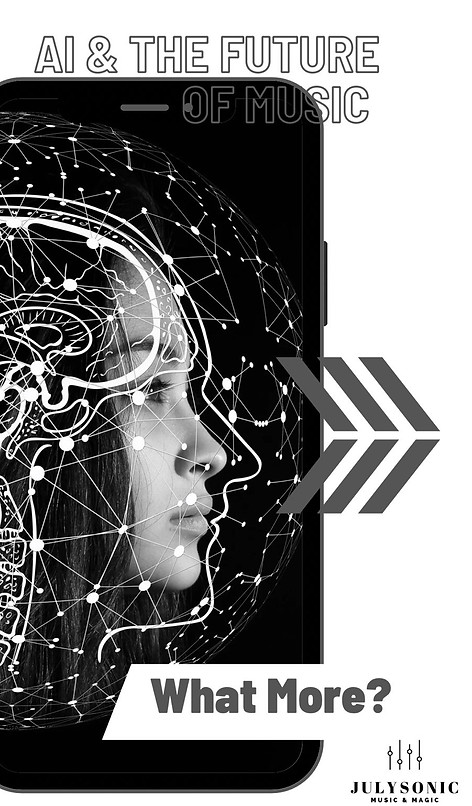
A I & The Future Of Music
Introduction
Artificial Intelligence (AI) has taken the world by storm, revolutionizing various industries, and the music sector is no exception. With advancements in machine learning and deep neural networks, AI is significantly impacting both music creation and production. This article explores how AI is shaping the future of music and the potential it holds for artists, producers, and the industry as a whole.
AI in Music Creation
AI-powered tools have shown tremendous potential in enhancing the creative process for musicians. One prominent application is AI-generated music. By analyzing vast amounts of existing music data, AI algorithms can compose melodies, harmonies, and even entire compositions, mimicking the styles of different artists or genres. This offers an unprecedented opportunity for artists to explore new musical territories and gain inspiration from unexpected sources.
Furthermore, AI-powered music composition tools can aid songwriters by suggesting chord progressions, melodies, or lyrics based on their preferences. This collaboration between human creativity and AI assistance can lead to novel and unique musical pieces.
AI in Music Production
AI is also playing a significant role in revolutionizing music production. One area where it shines is in automating repetitive and time-consuming tasks. AI-based plugins and software can intelligently analyze audio recordings and make real-time adjustments, such as pitch correction, noise reduction, and audio mixing.
Additionally, AI-powered virtual instruments and synthesizers offer musicians access to an extensive library of sounds and styles, replicating traditional instruments and experimenting with entirely new ones. This versatility empowers artists to achieve a more diverse and innovative soundscape in their music.
Enhanced Personalization and Recommendation
The impact of AI extends beyond the creative process and production. Music streaming platforms are utilizing AI algorithms to provide personalized recommendations to listeners, tailoring playlists and suggestions based on individual preferences and listening habits. This enhances user experience and helps users discover new music that resonates with their tastes.
Copyright Protection and Content Recognition
AI is also proving to be a valuable tool in copyright protection and content recognition in the music industry. AI algorithms can efficiently identify copyrighted content and unauthorized usage, helping artists and record labels protect their intellectual property rights and ensure fair compensation for their work.
Challenges and Ethical Considerations
Despite its potential, AI in music creation and production also raises some challenges and ethical considerations. For instance, there are concerns about originality and the potential risk of creating music that is too derivative or lacking a human touch. Additionally, the shift towards AI-driven music may also have implications for employment in the music industry, with some fearing job displacement for human musicians and producers.
Conclusion
AI's impact on the future of music creation and production is undeniably transformative. From AI-generated compositions to streamlined music production processes and personalized recommendations, AI is reshaping the landscape of the music industry. While there are challenges to address, embracing AI as a complementary tool in music creation and production can lead to exciting new possibilities and enhance the creative journey for artists and music enthusiasts alike.